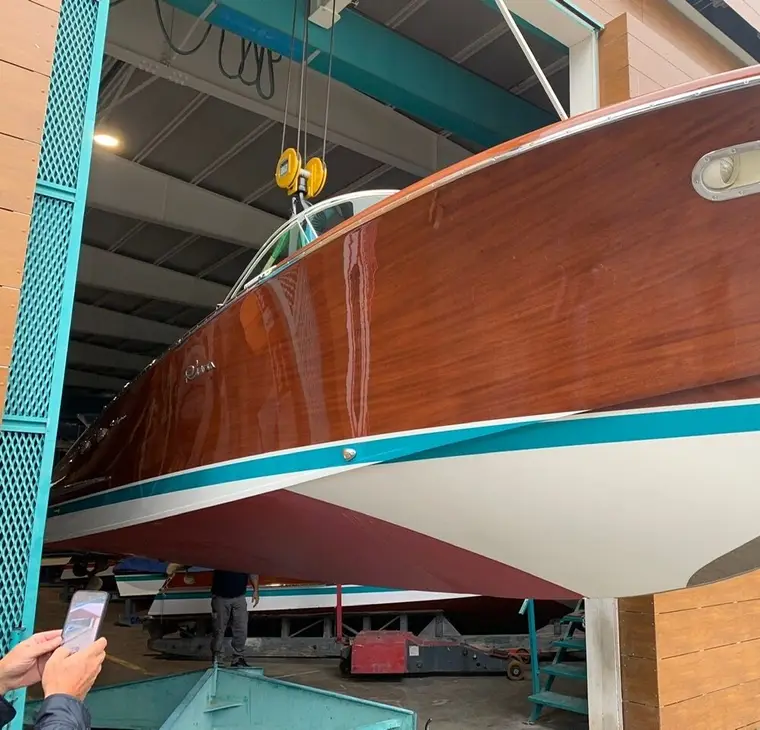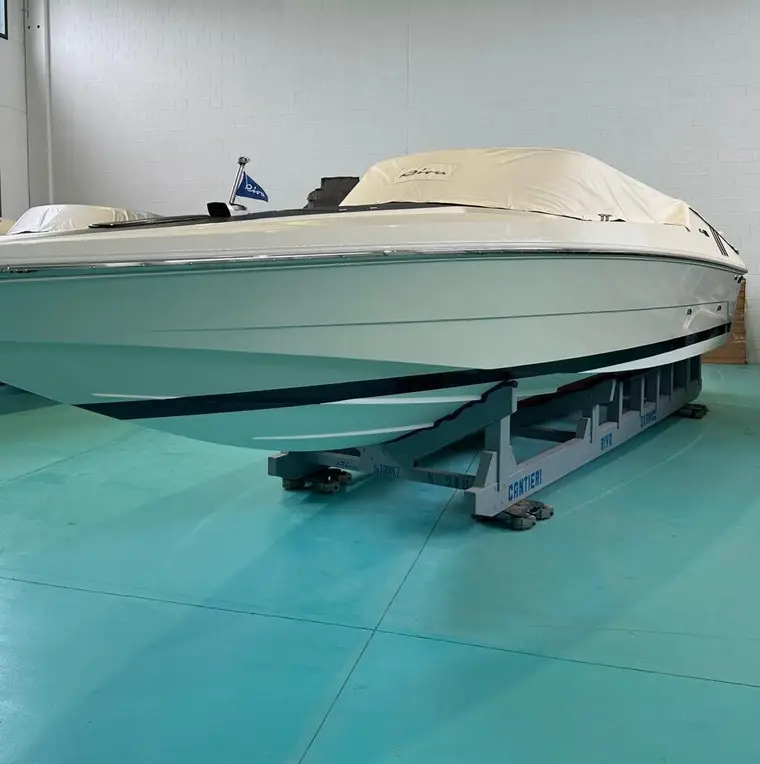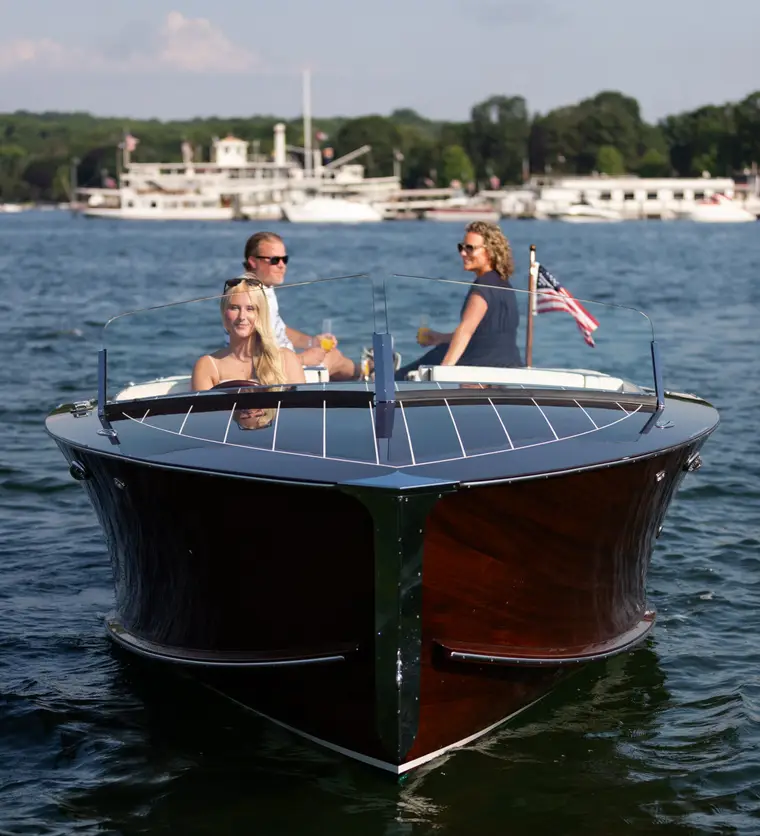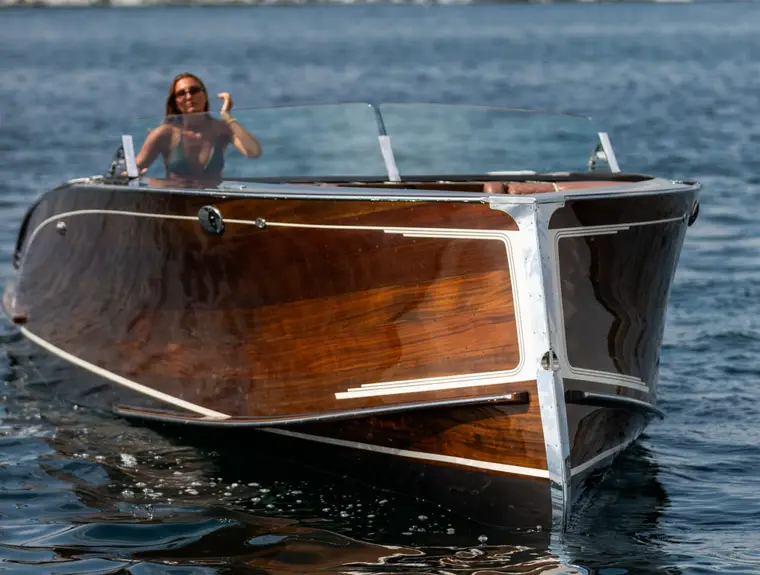
Restoration is what keeps classic boats on the water. Done well, it preserves a boat’s character for decades; done badly, it can destroy value. Whether you are buying a restored boat or planning a project, it pays to understand what restoration involves.
Levels of restoration
- Preservation — keeping an original boat sound with minimal intervention.
- Refinish — stripping and re-varnishing, upholstery and cosmetic work.
- Mechanical restoration — engine, drivetrain, steering and electrics.
- Structural restoration — replacing frames, bottom, transom or planking.
- Full or "frame-off" restoration — the boat is taken back to its structure and rebuilt.
The process
- Survey and documentation — photographs, measurements and a work plan.
- Strip hardware, upholstery and engine.
- Structural repairs — keel, frames, chines, bottom and transom.
- Planking and fastening, then fairing and sanding.
- Staining and many coats of varnish — see best varnish.
- Engine rebuild and reinstallation — see classic boat engines.
- Re-chroming, upholstery, wiring and final assembly.
Originality vs usability
Collectors value original materials, construction and engines. Many owners, however, choose modern bottoms bonded with marine adhesives, upgraded electrics or modern engines for reliability. Both approaches are valid — but they suit different buyers and affect value differently. Keep records of what was changed.
Choosing a restorer
Look for a shop with experience of your type of boat, references from past clients, photographs of work in progress and a clear, written estimate. Visit the shop and see finished boats. Agree on stages, payments and how extra work will be approved.
Timelines and costs
A full restoration can take many months or more than a year. Costs vary hugely — see wooden boat restoration cost.
Need a restoration or a restored boat? Contact us.