"What is my classic boat worth?" has no single answer — two boats of the same model can differ in value by several times. Understanding what drives value helps buyers avoid overpaying and sellers price realistically.
What drives value
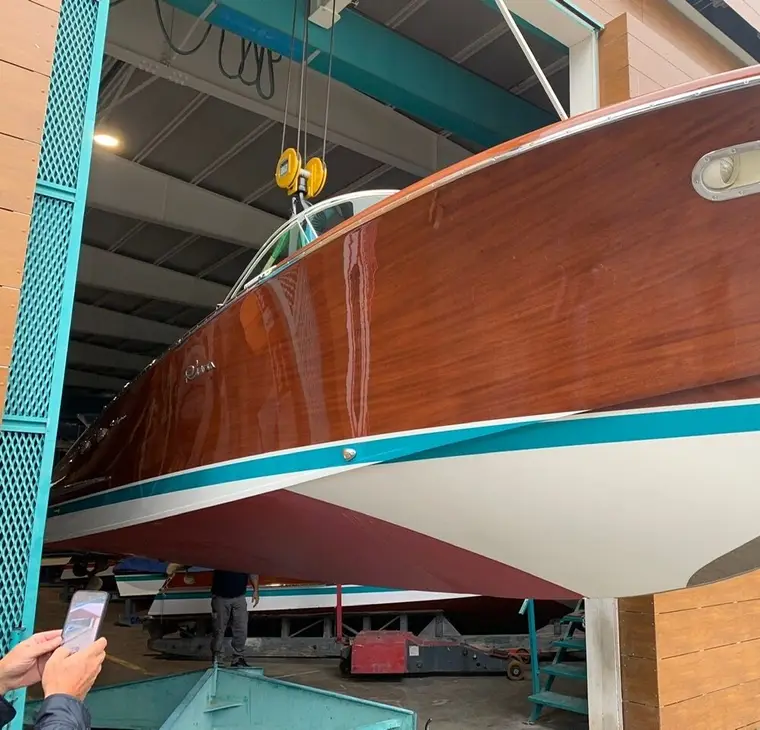
- Brand and model — icons such as the Riva Aquarama, Chris-Craft Cobra and barrel backs top the market.
- Condition — structure, finish, engine and upholstery.
- Quality of restoration — and who did it.
- Originality — correct engine, hardware and materials.
- Documentation and provenance — builder records, ownership history and notable past owners.
- Size — larger versions of a model are usually worth more.
- Market and location — demand differs between the US and Europe.
Indicative ranges
| Type | Typical range (restored, usable) |
|---|---|
| 1950s–60s American utilities and sea skiffs | $20,000–$60,000 |
| 1950s American runabouts | $35,000–$120,000 |
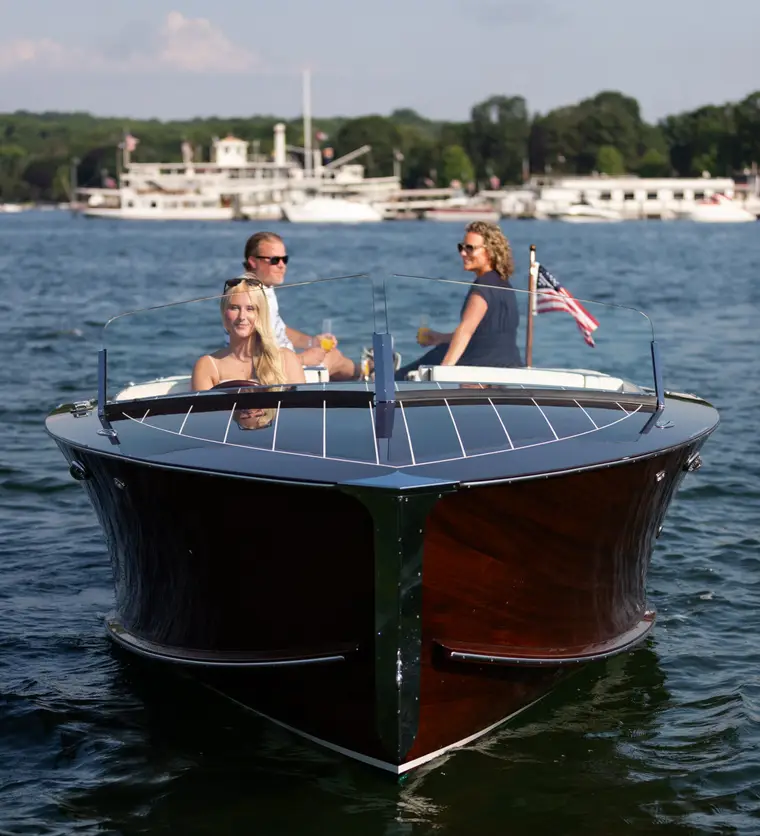
| Pre-war American runabouts and triple cockpits | $70,000–$150,000+ |
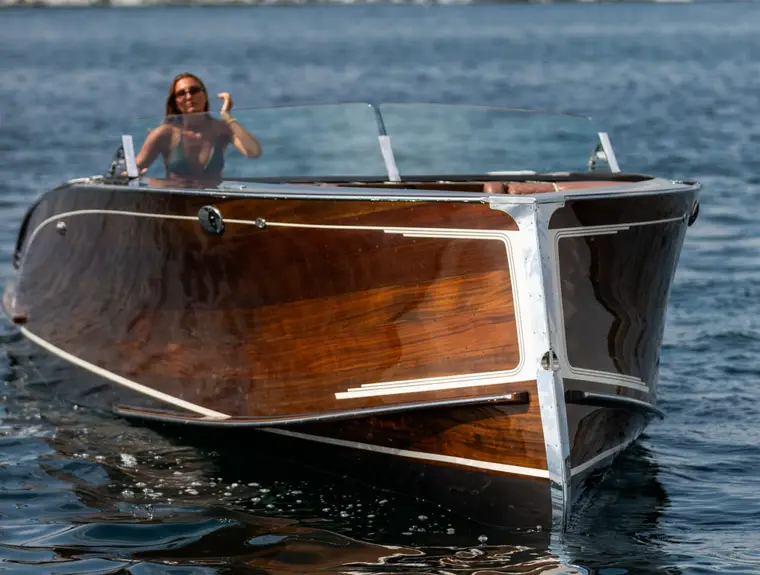
| Classic Italian and Swiss runabouts | €60,000–€300,000+ |
| Riva Aquarama | Often several hundred thousand euros and up |
These ranges are indicative only. See model-specific guides: Chris-Craft value and Riva Aquarama price.
Do classic boats hold value?
Well-chosen, well-maintained classic boats can hold value better than many modern boats, and the most iconic models have generally been in strong demand. But maintenance costs are real, and a neglected boat can lose value quickly. Buy for enjoyment first.
Getting a valuation
For sale, insurance or estate purposes, gather photographs, specifications, history and restoration records, and ask a specialist broker or surveyor. Insurance should be on an agreed-value basis — see classic boat insurance.