Selling a classic boat is different from selling a modern one. Buyers are enthusiasts who look closely at condition, originality and history, and a well-prepared, honestly presented boat will sell faster and for more. Here is how to do it well.
1. Get a realistic valuation
Asking too much is the most common reason classic boats don't sell. A specialist broker can compare your boat with recent sales and current listings. See classic boat values and our Chris-Craft value guide.
2. Prepare the boat
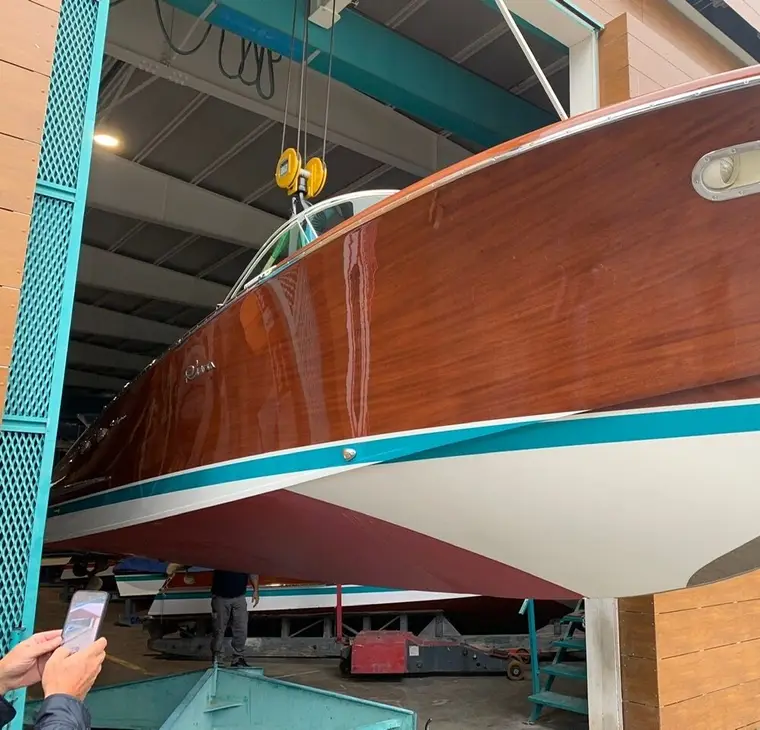
- Varnish — a fresh maintenance coat transforms appearance.
- Clean — upholstery, bilges, engine compartment and chrome.
- Fix small faults — gauges, lights, leaks and starting issues put buyers off.
- Service the engine so it starts easily and runs cleanly on a sea trial.
3. Gather documentation
Buyers pay more for boats with history. Collect ownership and registration documents, builder records, restoration invoices, survey reports, service records and old photographs.
4. Photograph and describe
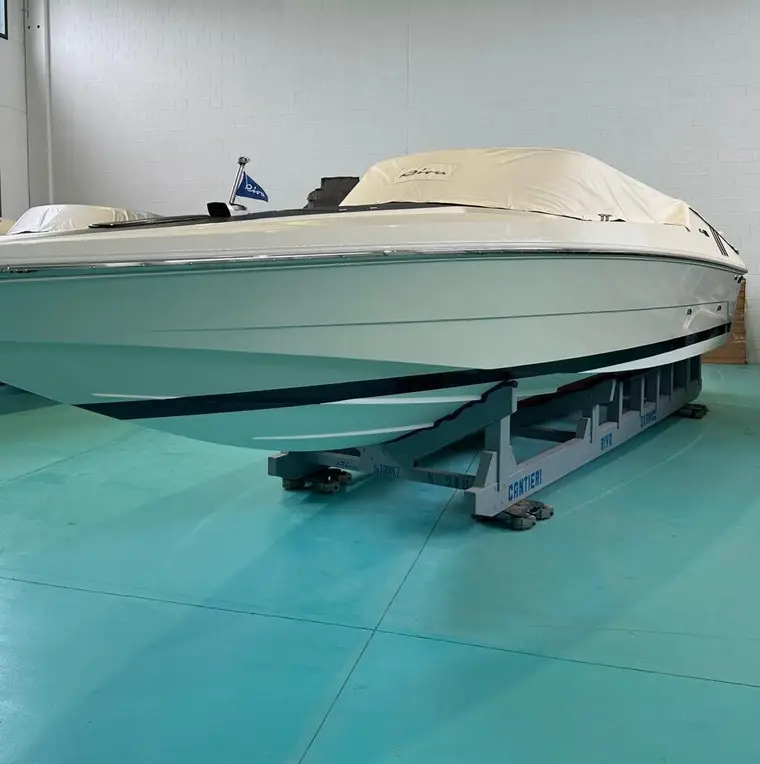
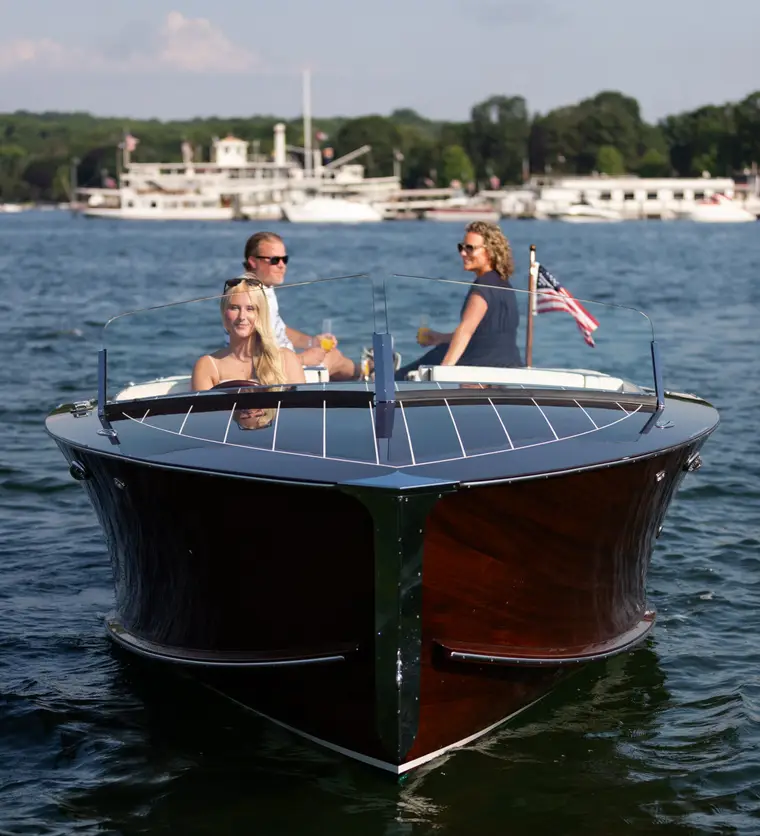
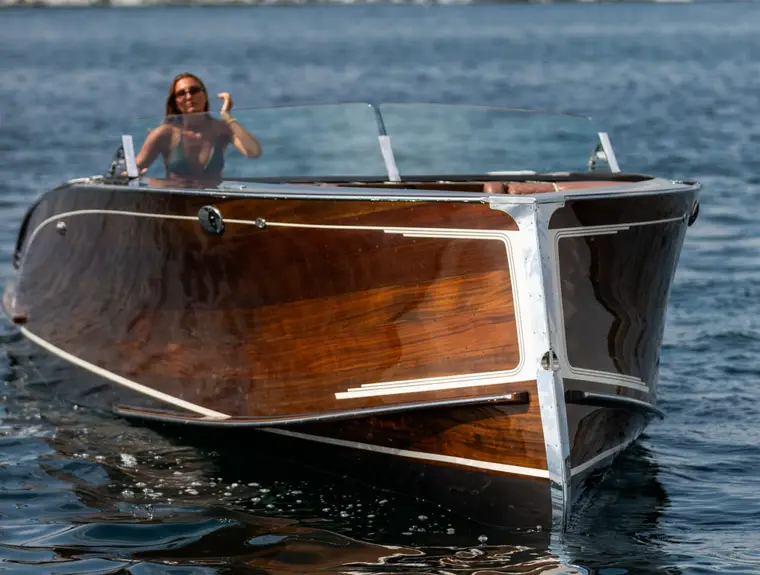
Take bright, sharp photographs of the whole boat, in and out of the water, including deck, cockpit, engine, bottom and details. Write an honest description with specifications, history, recent work and any known issues. Good video of the boat running helps sell boats to distant buyers.
5. Choose how to sell
| Route | Pros | Cons |
|---|---|---|
| Specialist broker | Market knowledge, qualified buyers, handles viewings and paperwork | Commission |
| Private sale | No commission | Time, tyre-kickers, more risk |
| Auction | Fast, competitive | Price uncertainty, fees |
6. Close the sale safely
Use a written sale agreement, receive funds before handover (ideally through escrow or a broker’s client account), provide a bill of sale and transfer registration. Cancel insurance only after the transfer.
Want to sell? Contact us for a confidential valuation and marketing plan.