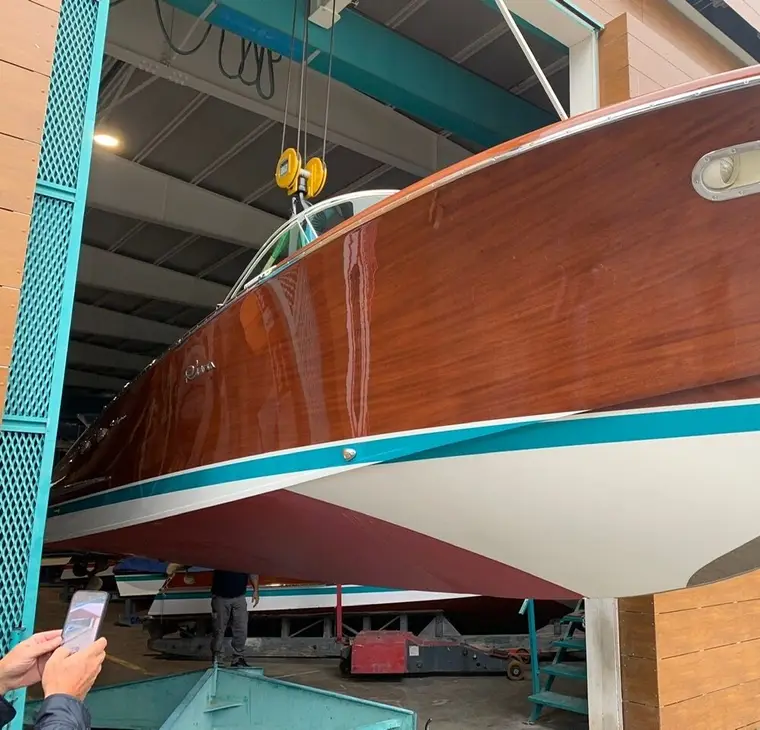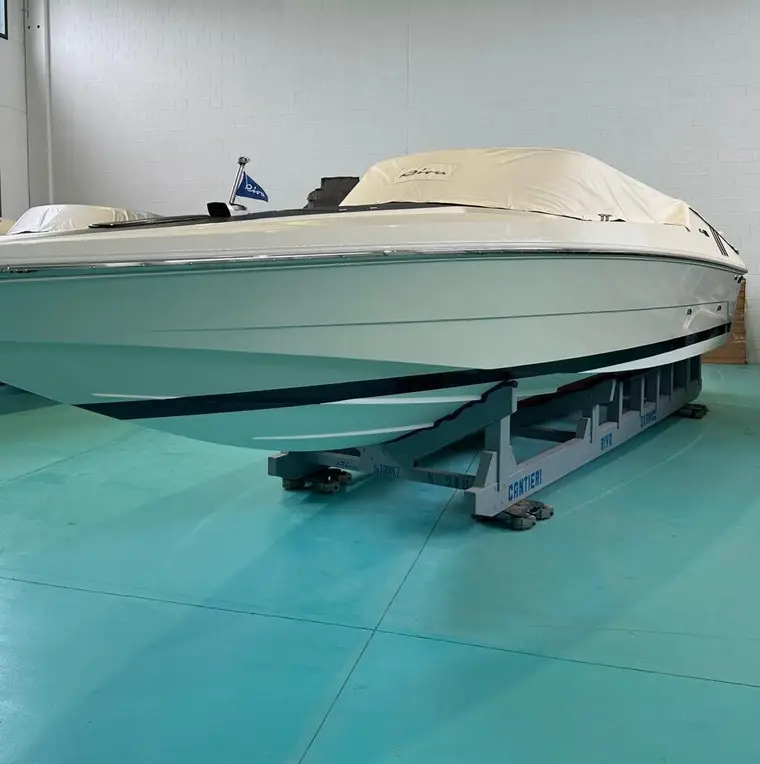
Classic boats are bought and sold across continents, so shipping is part of many purchases. Whether it is a short trailer run or a transatlantic crossing, careful planning protects the boat and your budget.
Road transport
Most runabouts travel on their own trailer or with a specialist boat transporter. Check the trailer’s condition, tyres, bearings, brakes and lights, and make sure the boat is properly supported and strapped. Enclosed transport offers the best protection for valuable boats.
International options
| Method | Best for | Notes |
|---|---|---|
| Container | Runabouts that fit inside a container (with or without trailer) | Excellent protection; flat-rack containers for wider boats |
| RoRo (roll-on/roll-off) | Boats on trailers | Often economical; boat is driven on and off the ship |
| Lift-on/lift-off or yacht transport | Larger boats and yachts | Specialist yacht carriers |
Preparing the boat
- Photograph the boat thoroughly before handover.
- Remove or secure loose items, canopies and windscreens if needed.
- Protect varnish with appropriate padding and breathable wrapping.
- Prepare the engine and fuel system according to the shipper’s rules.
Insurance and paperwork
Make sure the boat is insured in transit — marine cargo insurance may be needed in addition to your boat policy. Prepare ownership documents, bill of sale and export or customs paperwork. A freight forwarder or customs broker experienced with boats makes international moves much easier. See importing to Europe and importing to the USA.
Timing
Transatlantic shipping can take several weeks door to door, plus customs clearance. Plan around the boating season and storage availability.
Ask us to help arrange transport for a purchase.