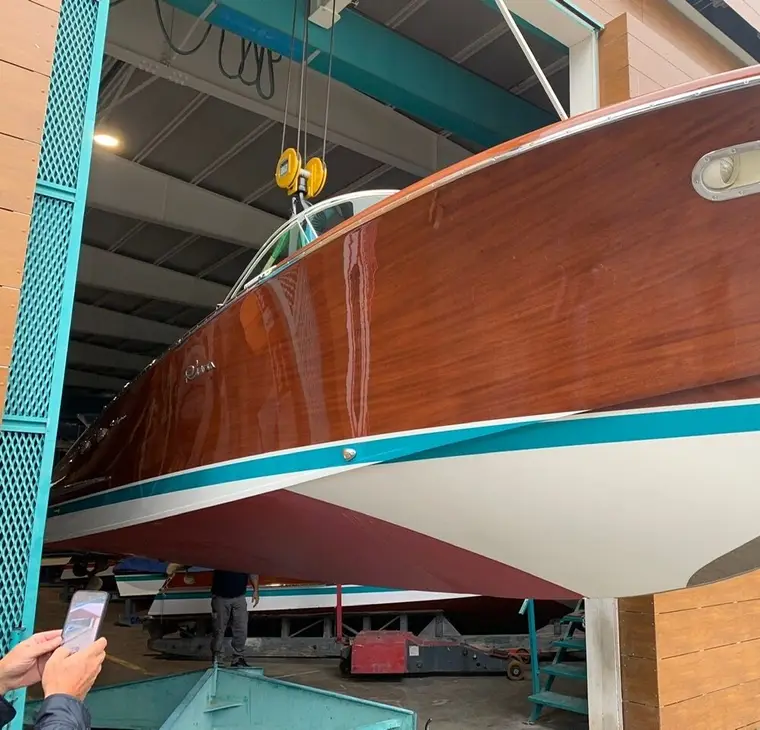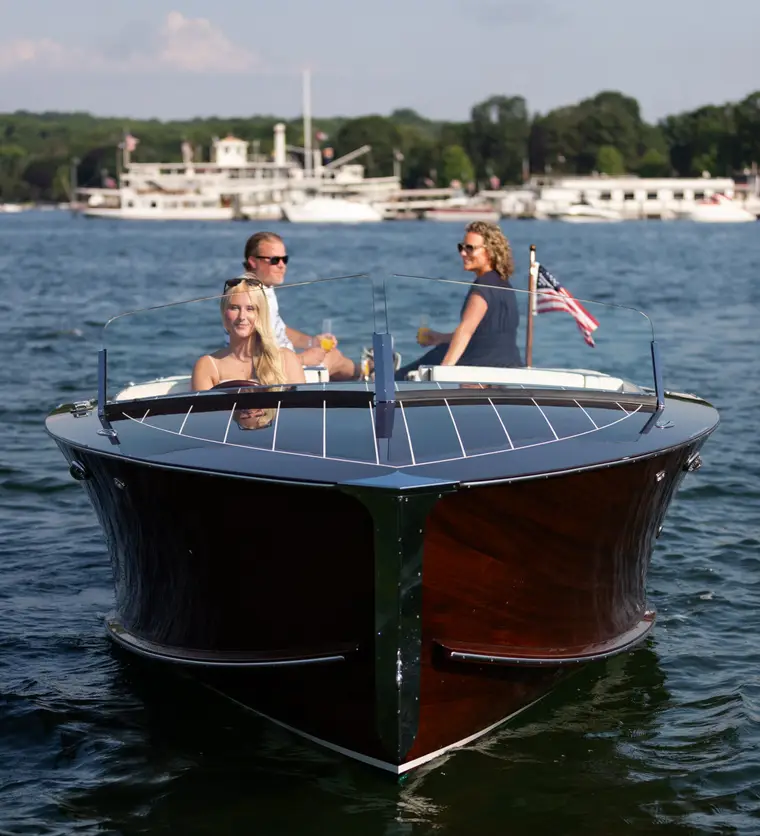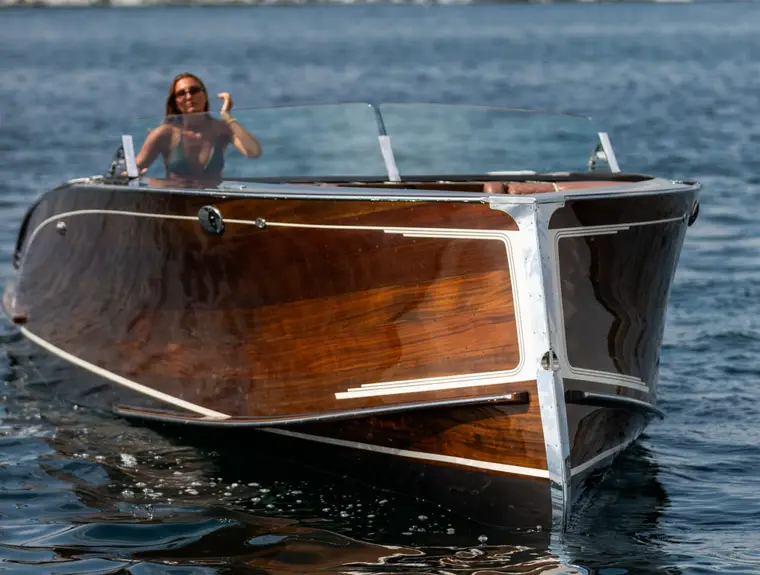
Most people start their search for a classic wooden boat with a picture in mind: a varnished runabout on an Italian lake, a triple cockpit at a dock in Michigan, a launch on the Thames. The best purchase, though, starts with a different question — how will you use the boat? Answer that honestly and the right classic wooden boat becomes much easier to find.
1. Decide where you will use it
Lakes are the natural home of most classic runabouts. Lake Como, Lake Geneva, Lake Tahoe and the Muskoka lakes have calm water, boathouses and a culture built around wooden boats. Coastal use calls for a deeper, more seaworthy hull — a Riva Aquarama or St Tropez, a Chris-Craft Sea Skiff or a classic motor yacht. Rivers suit launches, which are designed for displacement speeds and calm water.
2. Choose the right size
- 17 to 20 feet — ideal for two to four people, easy to trailer and store. Chris-Craft Deluxe runabouts and the Riva Florida and Super Florida fall here.
- 21 to 26 feet — the sweet spot for families and entertaining. Riva Ariston and Tritone, Chris-Craft Capri and Hacker-Craft 24 to 26-footers.
- 27 feet and above — triple cockpits, Aquaramas and gentleman's racers. More presence, more power, more cost to store and transport.
3. Original engine or modern power?
Original engines add value and authenticity, and a well-rebuilt period V8 is perfectly reliable. Modern marine engines from builders such as Ilmor and Crusader offer easier starting, better fuel economy and simpler servicing, and are standard on modern classic-style boats. If the boat will be used often by family members who are not mechanically minded, a newer engine may be the more practical choice.
4. Original, restored or new-build?
A preserved original is the most authentic and often the most valuable, but may be the least practical. A professionally restored boat offers the best balance for most buyers. A new-build classic-style runabout gives you the look with modern reliability and warranty. See our page on new classic wooden boats.
5. Set a realistic budget
Add to the purchase price the cost of a survey, transport, a trailer or cradle if one is not included, insurance and the first year of storage and maintenance. A sensible rule is to keep at least ten percent of the purchase price in reserve for the first season, because every new owner finds small jobs they want to do.
6. Inspect, survey and sea trial
Never buy a classic wooden boat without a survey by someone who knows wooden boats and a sea trial. Run the engine from cold, look for water in the bilge after a run, and check that steering, gauges and electrics all work. Our wooden boat survey guide lists what a good surveyor checks.
How we help
Classic Boats helps buyers narrow down the right model, find boats that are not publicly advertised, inspect and value them candidly, and handle negotiation and transport. If you know what you want, we can search for it; if you are still deciding, we can talk through the options. Start a private conversation, or browse boats currently for sale.