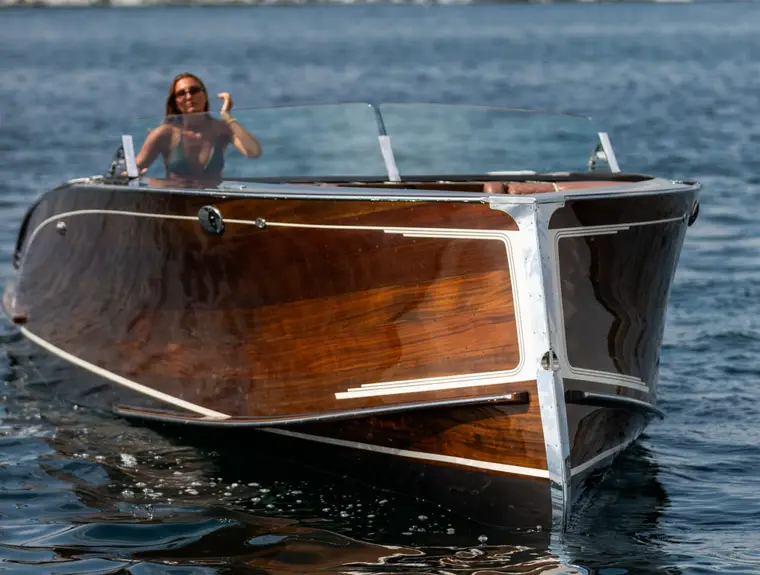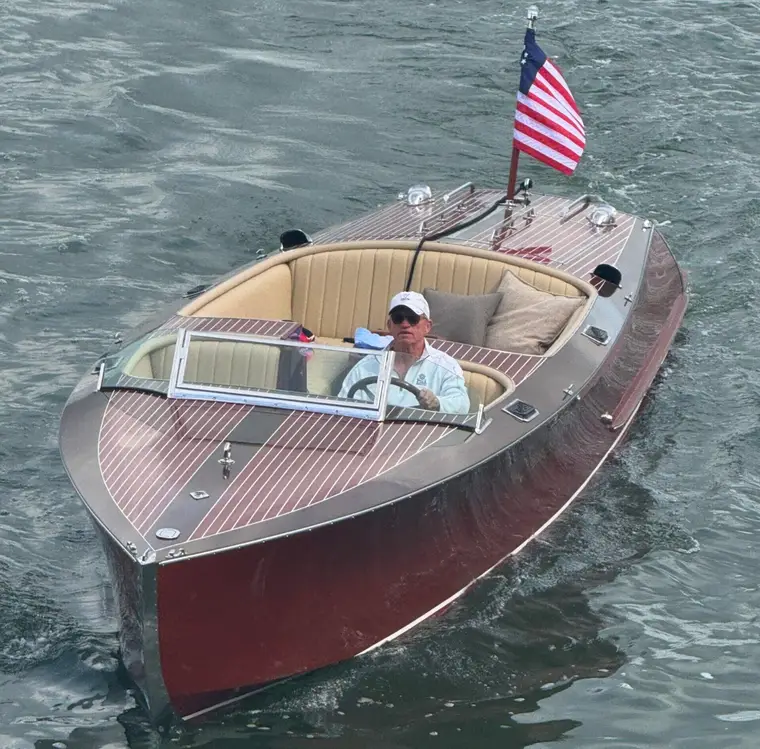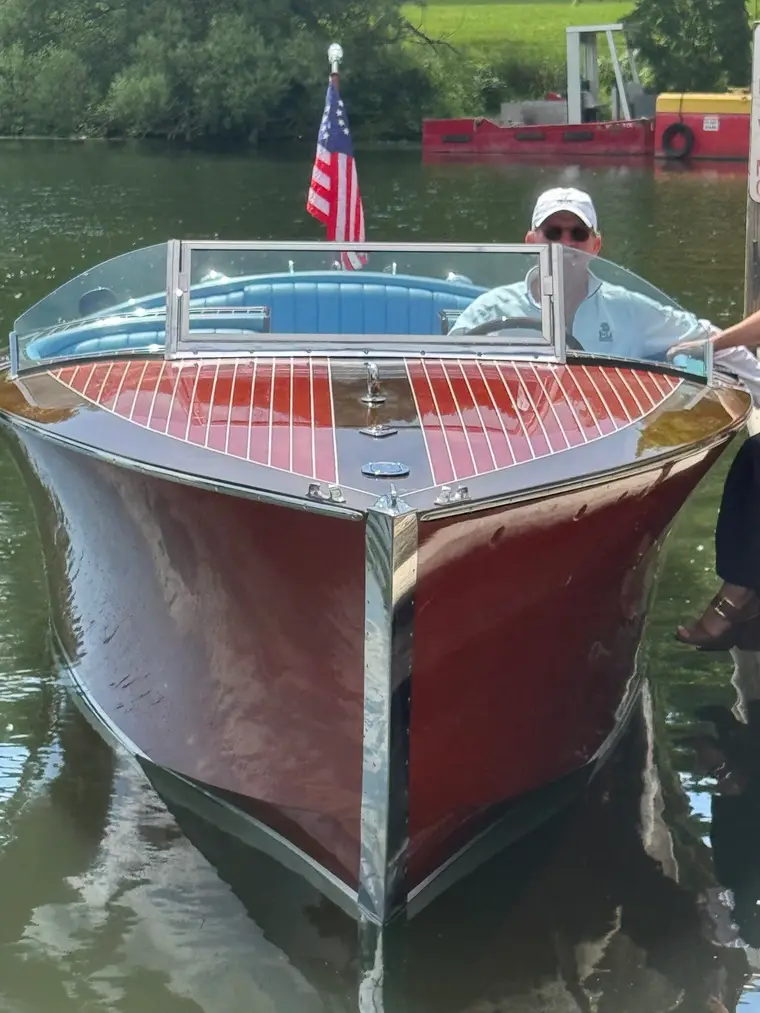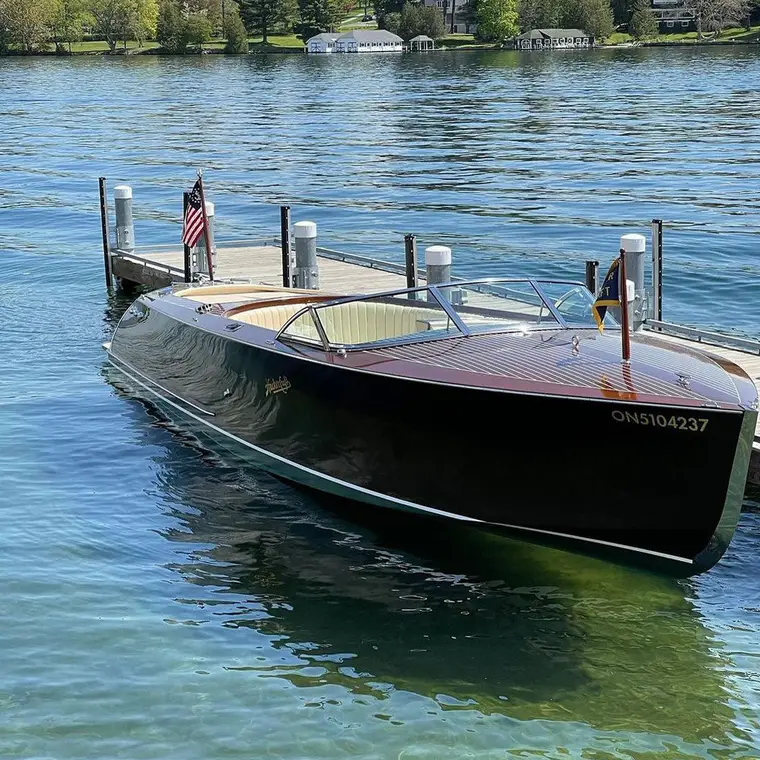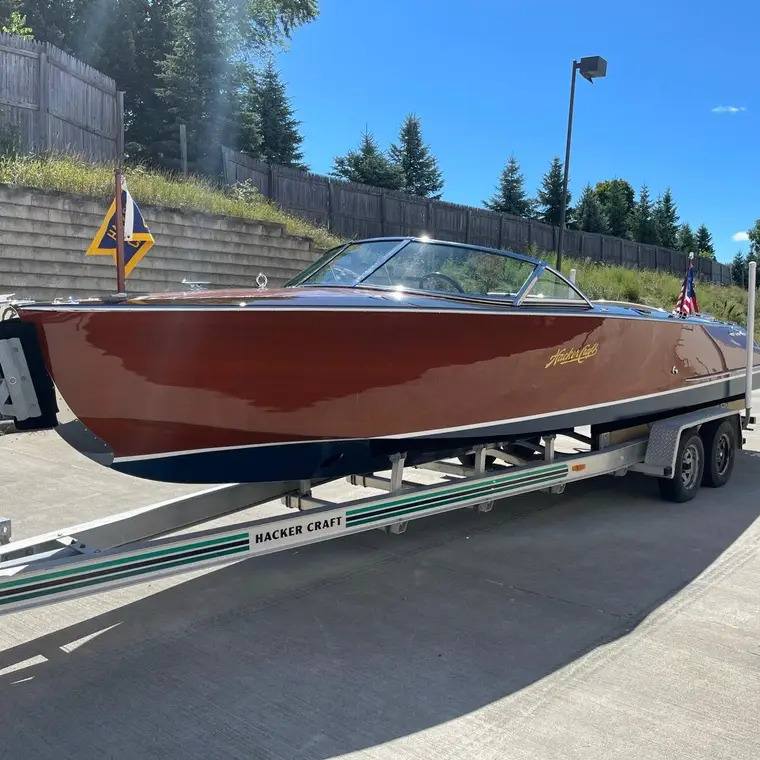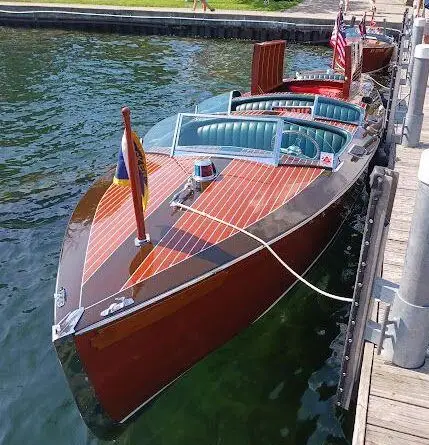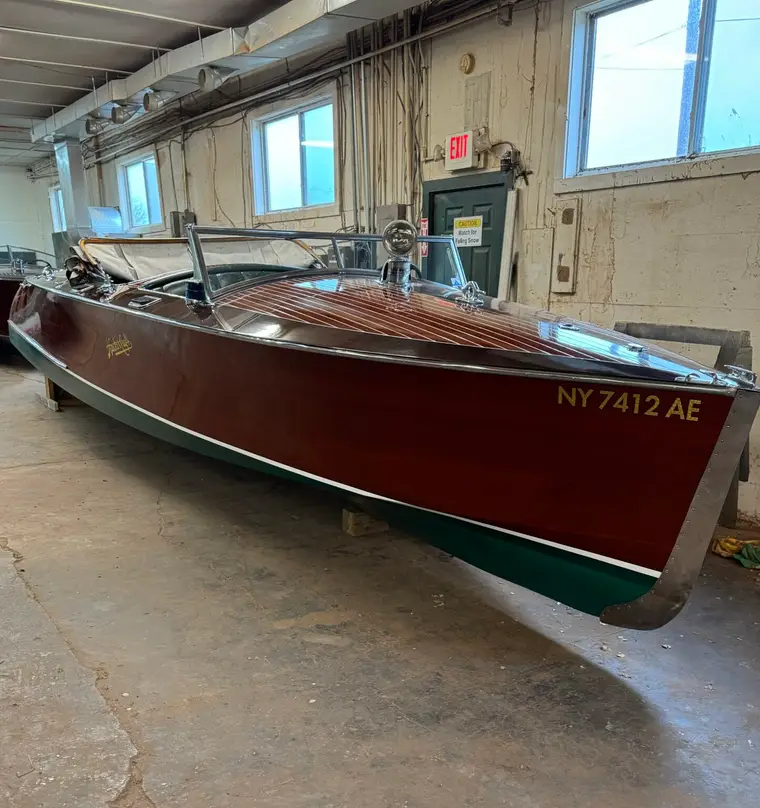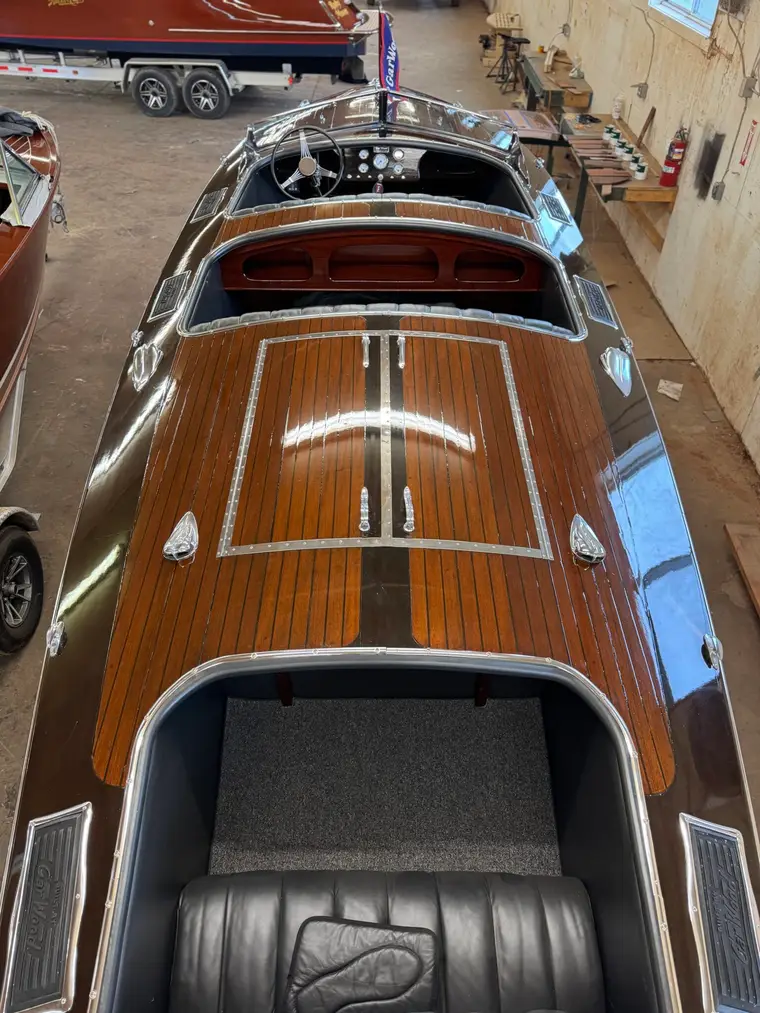
The Hacker-Craft triple cockpit is one of the most elegant runabouts ever built. With a forward passenger cockpit, the engine amidships, the driver's cockpit and a rear cockpit, it captures the Jazz Age on the water. Original triple cockpits from the 1920s and early 1930s are rare, and the Hacker Boat Company has also built new boats in the same style.
Design
Hacker triple cockpits are known for a fine entry, a pronounced flare at the bow and a long, low profile. The layout separated passengers from the noise and heat of the engine and allowed the driver to sit aft with a commanding view down the foredeck. Lengths of around 24 to 30 feet were typical.
Original vs new
- Original boats — rare, with provenance and history that collectors value; they need careful, specialist maintenance.
- New boats — the look of a 1920s triple cockpit with modern engines, electrics and construction methods, plus a builder's warranty.
Values
Original Hacker triple cockpits in restored condition usually sit at the top end of the classic runabout market, often above comparable Chris-Crafts because of their rarity. New-build triple cockpits are priced as bespoke luxury boats. Ask us for current market examples.
Hacker or Chris-Craft triple cockpit?
Chris-Craft built triple cockpits in much larger numbers, so there is more choice and a broader price range — see Chris-Craft triple cockpit. A Hacker offers rarity and the refinement of Hacker's designs. Our comparison guide covers the differences in detail.
What to inspect
On an original boat, focus on the structure: frames, keel, bottom and transom, plus the engine and history of restoration. On a newer boat, check service records, varnish and storage conditions. A survey by a wooden boat specialist is essential either way.
Lake George, home of Hacker-Craft, is one of the best places to see these boats on the water — see classic boats on Lake George.