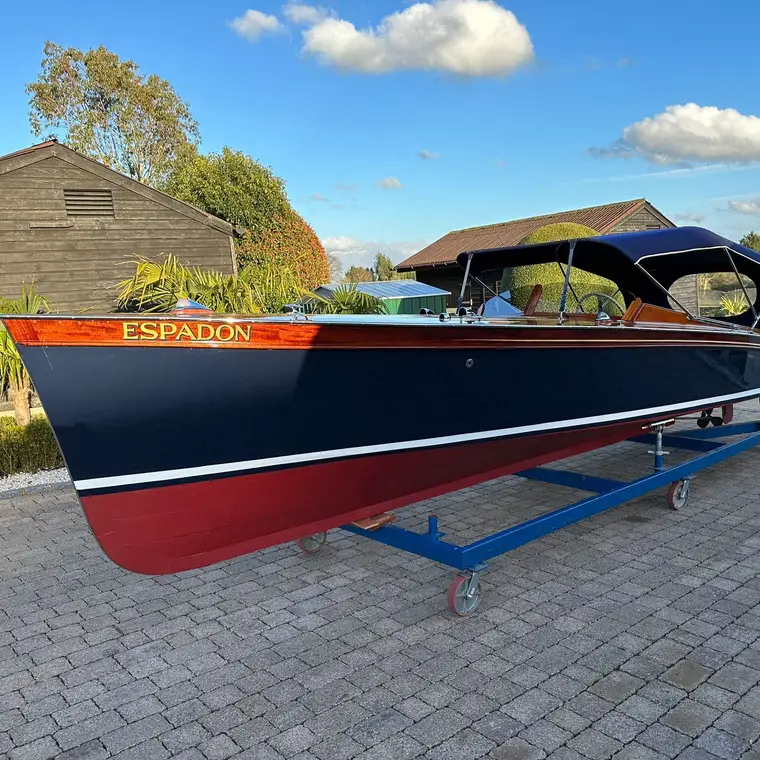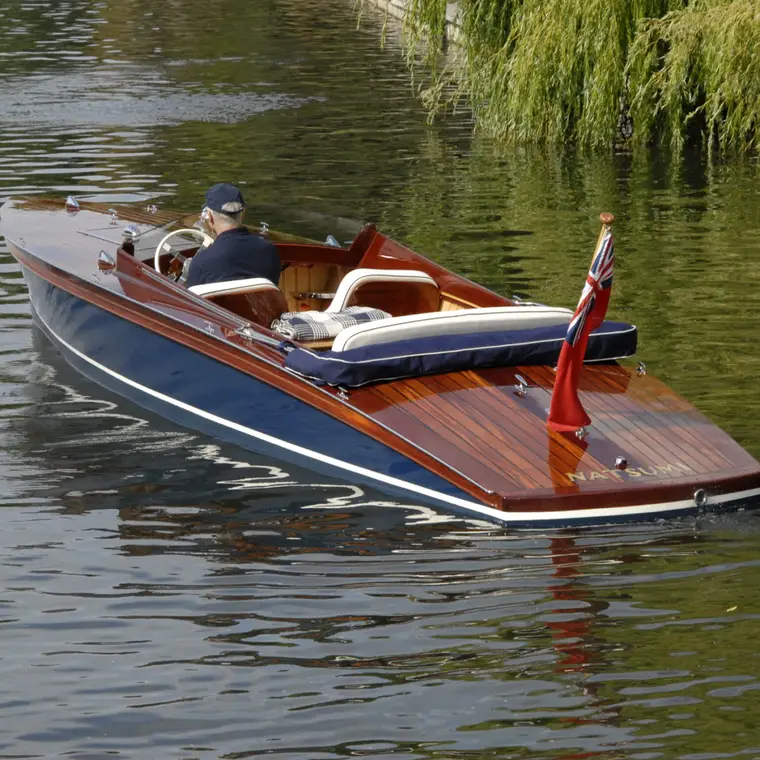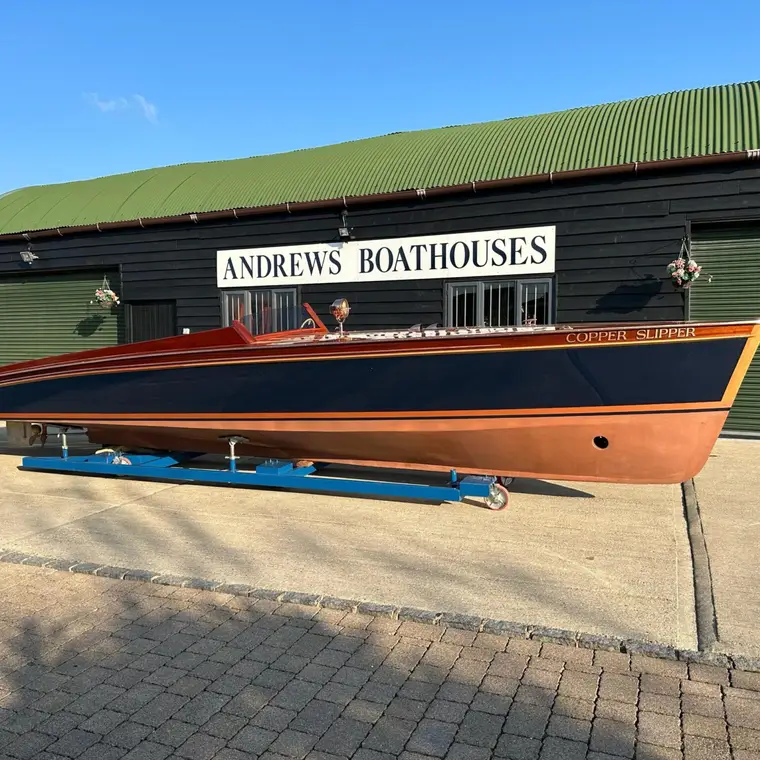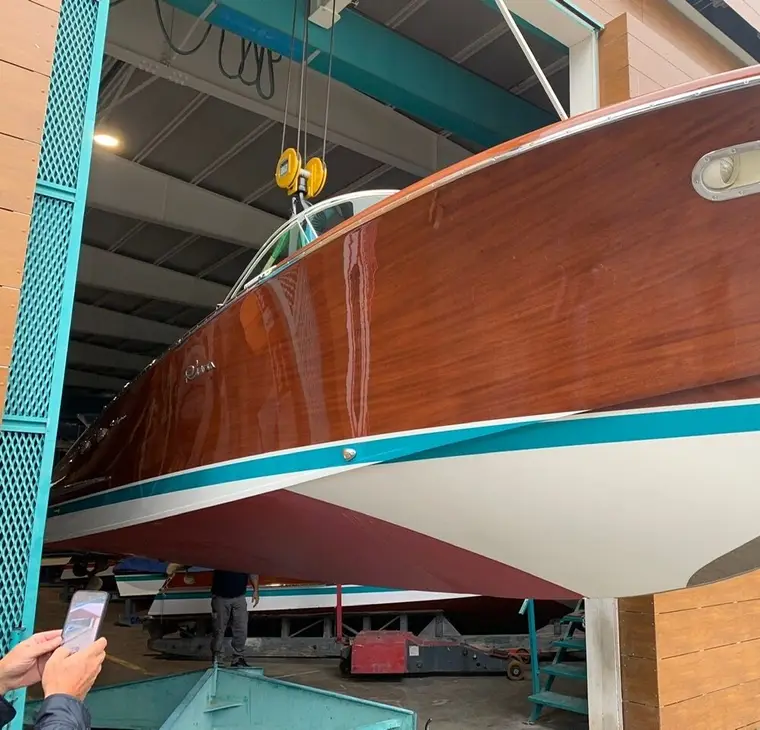
Electric launches are older than most people realise: battery-powered boats carried passengers on rivers and lakes in the late nineteenth century, long before petrol engines took over. Today classic electric launches — originals, conversions and new builds — are increasingly popular on lakes and rivers where silence, clean water and low running costs matter.
A short history
Electric launches were used on the Thames and at major exhibitions around 1900, prized for being silent and clean. Petrol engines eventually replaced them, but the idea returned with modern batteries and motors. Many lakes in Europe now restrict or discourage combustion engines, which has made electric boats especially attractive.
Types of electric launch
- Classic launches converted to electric — historic hulls with modern drive.
- New electric launches — classic styling with modern lithium batteries.
- Electric runabouts and tenders — faster designs for lakes and yachts.
Range and charging
Range depends on battery capacity, hull shape and speed. Displacement launches at gentle speeds can run for many hours on one charge; faster boats use far more energy. Charging is usually from a shore supply overnight. Ask for real-world range at your intended cruising speed.
Running costs
Electric launches have low energy and maintenance costs compared with petrol boats. The main long-term cost is battery replacement, which depends on battery type and use.
Buying advice
Check battery age, type and health, the motor and controller, charging equipment and wiring quality. On older hulls, inspect structure as with any wooden boat. See slipper launches and classic launches, and contact us for current boats.